RETAIL// Digital marketing for independent retailers and retail brands across the UK
Online retail is fiercely competitive, but most stores compete on ads alone. The brands that win long-term combine paid traffic with organic SEO, strong product content and email that converts. We build all of it.
Why independent retailers that embrace digital marketing grow while those that ignore it struggle
Independent retailers, boutique shops, local stores, online retail brands and direct-to-consumer businesses all face the same reality: the customers they want to reach are spending more time online and less time walking the high street. The retailers growing consistently are the ones that have made their business visible online: on Google, on Instagram, in local search results and through email to their existing customer base.
The good news for independent retailers is that digital marketing creates a level playing field in ways that physical retail does not. A well-reviewed local retailer with an active Instagram and a strong Google Maps presence can compete effectively with much larger competitors for local customer attention. The inventory and the buying power might not match, but the digital presence can.
SearchSoda can work with independent high street retailers, boutique concept stores, online retail brands, gift shops, specialist retailers and direct-to-consumer product businesses across the UK.
The most common problems we fix
Who this is for
Key numbers for your industry
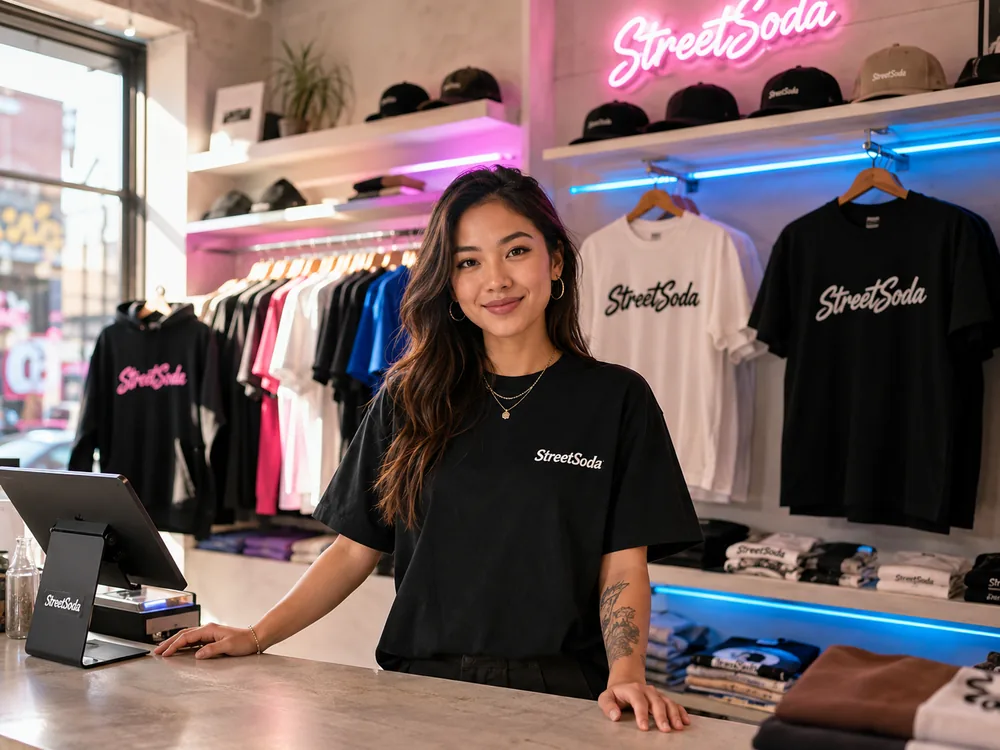
The launch, built on Shopify
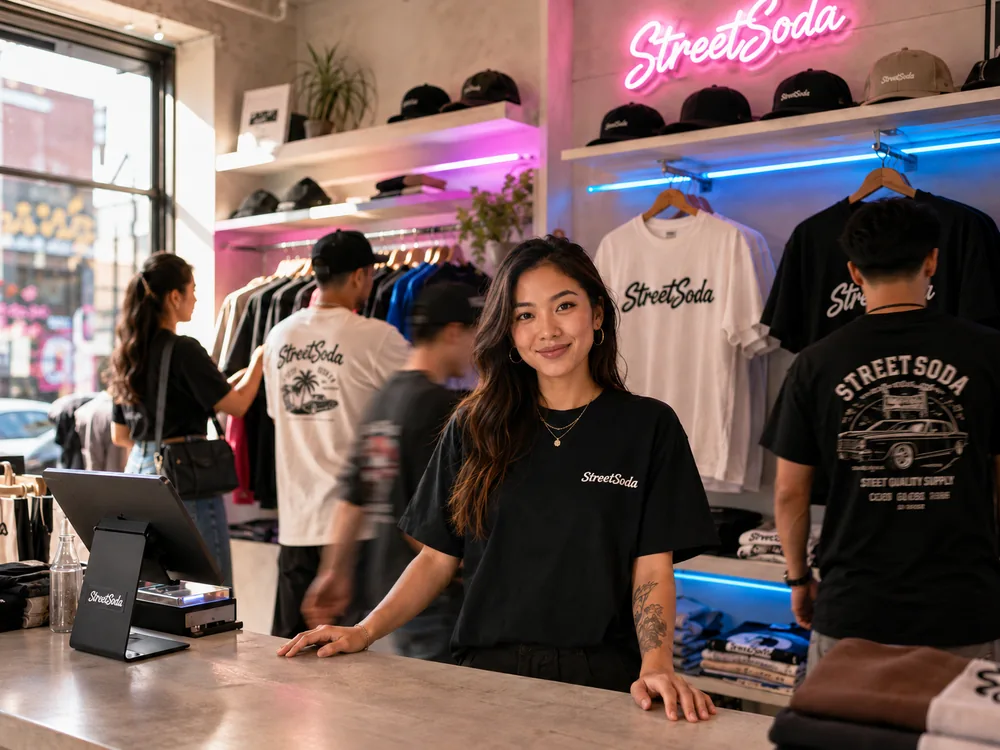
Shopify runs the shop and runs it well: cart, checkout, inventory, variants, payments, tax. What a stock theme cannot give you is the launch itself. This is a drop page before the drop — a live countdown, the garment shown at thread level, fit references, sizes with visible stock states, and one thing to do until the clock runs out, which is join the list. On the day the same theme section switches to Shopify’s own cart.
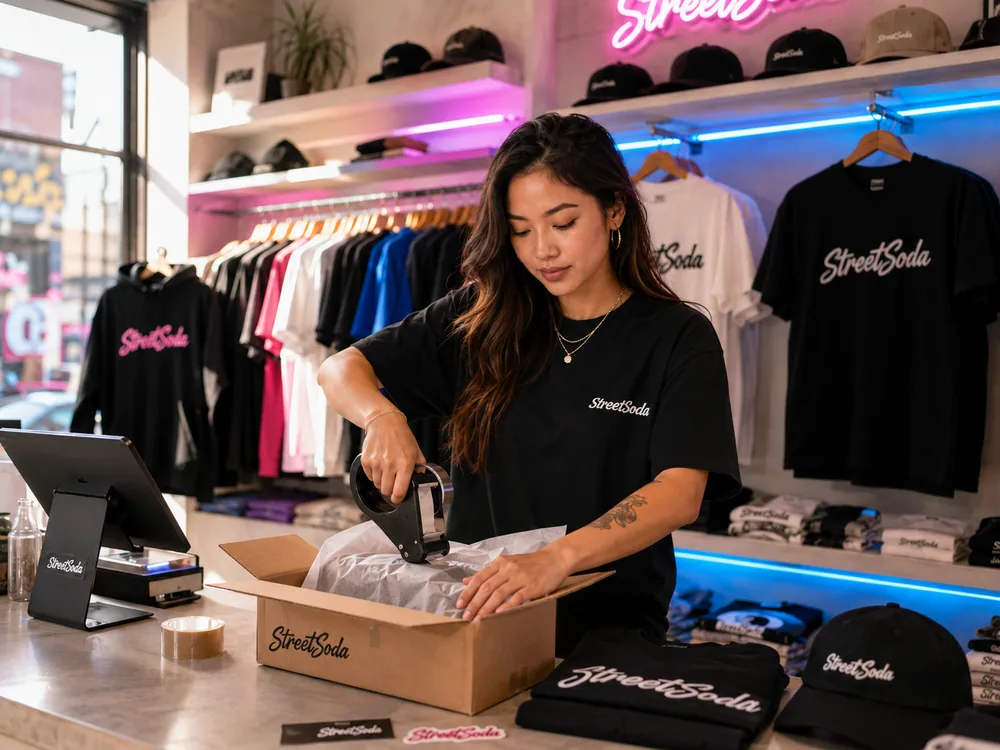
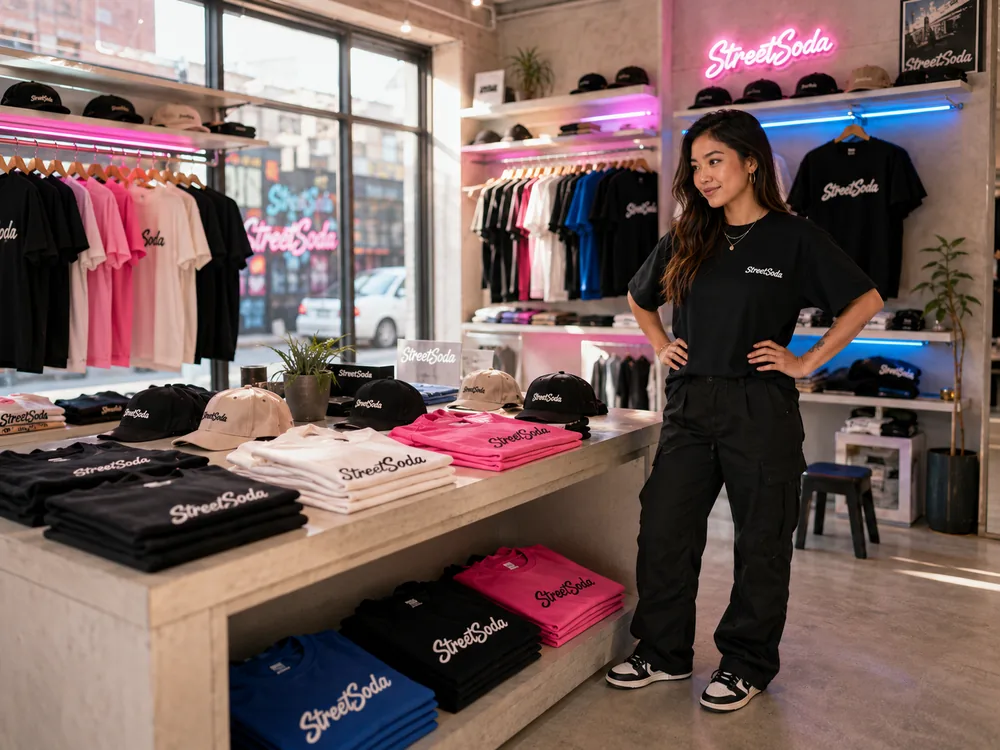
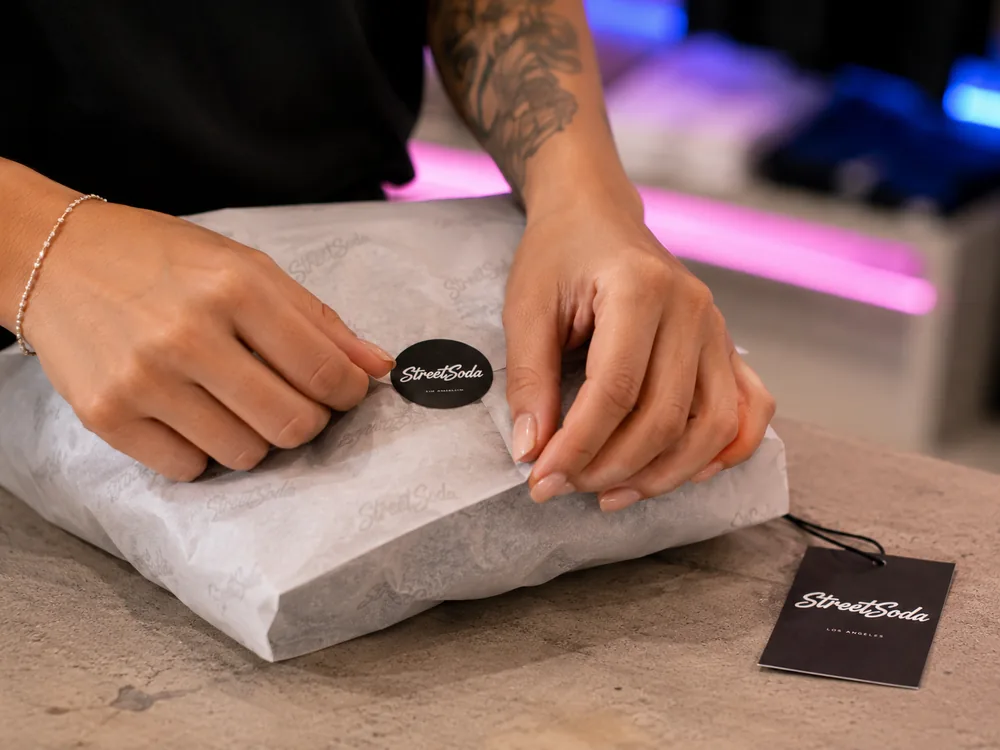
StreetSoda and Afterdark / 001 are invented, and nothing is for sale: the form captures an email and sends nothing. Everything here maps onto a real Shopify build — the countdown, the variant states and the size chart would read Shopify’s own product data, and the notify list writes to Shopify customers. Shopify handles the commerce. This is the theme section around it.
Talk to us about building this
The narrative around independent retail and digital competition is usually framed as a disadvantage: independents cannot match the inventory, the prices or the delivery speed of Amazon and the major online retailers. That framing misses the genuine advantages that digital marketing creates for independents specifically. Local search is an arena where a well-optimised independent retailer with strong reviews can outrank any national or online competitor, because Google Maps prioritises local businesses for local searches by design.
The emotional and community dimension of independent retail is also a genuine marketing advantage, not just a positioning statement. Consumers who actively choose to shop with independent retailers do so for reasons that are susceptible to Instagram and social media marketing in ways that generic product advertising is not. Content that tells the story of a product, introduces the person who runs the business, and shows the community relationships the shop is part of builds loyalty that national chains cannot manufacture. This is where the owner-led voice of an independent shop is more compelling than any corporate marketing department.
Ecommerce is no longer optional for most physical retailers who want to grow beyond their immediate catchment area. But ecommerce for independent retailers should not try to compete with Amazon on convenience or price. It should sell the things that independent retail does well: curation, story, provenance and the knowledge that comes from genuine expertise in a specific product category. The ecommerce strategy we build for independent retailers is always designed around those strengths, not against Amazon's.
We can work with independent retailers anywhere in the UK. All meetings are by video call, so it does not matter where you are.
Pricing: Our retail marketing packages start from £500 per month for Google profile, social media and reputation management.
How independent retailers attract new customers in 2026
Independent retailers have genuine advantages in local search, Instagram and email that large chains cannot replicate at scale. The retailers growing consistently are the ones using all three.
Questions from independent retailers about growing their business digitally
Built for retail & ecommerce
Ecommerce SEO
Product page optimisation, category structure, technical SEO and content targeting the keywords your customers actually search , compounding traffic that doesn't cost per click.
Google Shopping
Smart Shopping campaigns and Performance Max that put your products in front of buyers actively searching. Full catalogue setup and ongoing bid optimisation.
Meta Ads
Facebook and Instagram campaigns for product discovery and retargeting. Creative strategy, audience testing and ROAS optimisation across the full funnel.
Email Marketing
Automated flows , welcome series, abandoned cart, post-purchase and win-back , plus regular campaigns that drive repeat purchases with minimal ad spend.
Shopify Design
Custom Shopify stores built for conversion , fast loading, mobile-optimised, with compelling product pages and a frictionless checkout experience.
Analytics & CRO
GA4 setup, conversion funnel analysis and A/B testing that systematically improves your conversion rate and average order value.
The full digital marketing toolkit
What happens in the first six months of working with SearchSoda
Every engagement is different depending on where you are starting from, but this is the typical progression for a business investing in digital marketing for the first time.
Local visibility foundations
Google Business Profile optimised with correct retail categories, opening hours and product photos. Review generation embedded in purchase follow-up. Instagram content strategy built.
Content and social growth
Instagram posting consistently with product and personality content. Google Maps ranking improving for local product searches. Email list building begun. First measurable increase in footfall from Google.
Audience and authority
Instagram following growing among local audience. Review count strong. Email list generating regular return purchase revenue. Google ranking for a growing range of local product searches.
Multi-channel customer base
Strong Google Maps presence generating consistent footfall. Instagram community driving loyalty and word of mouth. Email list generating reliable revenue from existing customers. Reduced dependency on any single channel.
Ready to grow your online store?
Free consultation, no obligation. We'll audit your current channels and show you where the biggest growth opportunities are.
Book Free Consultation